By employing rapid design-build-fly iteration cycles, we accelerate development and systematically reduce risks. Each new demonstrator brings us closer to a fully operational spaceplane.
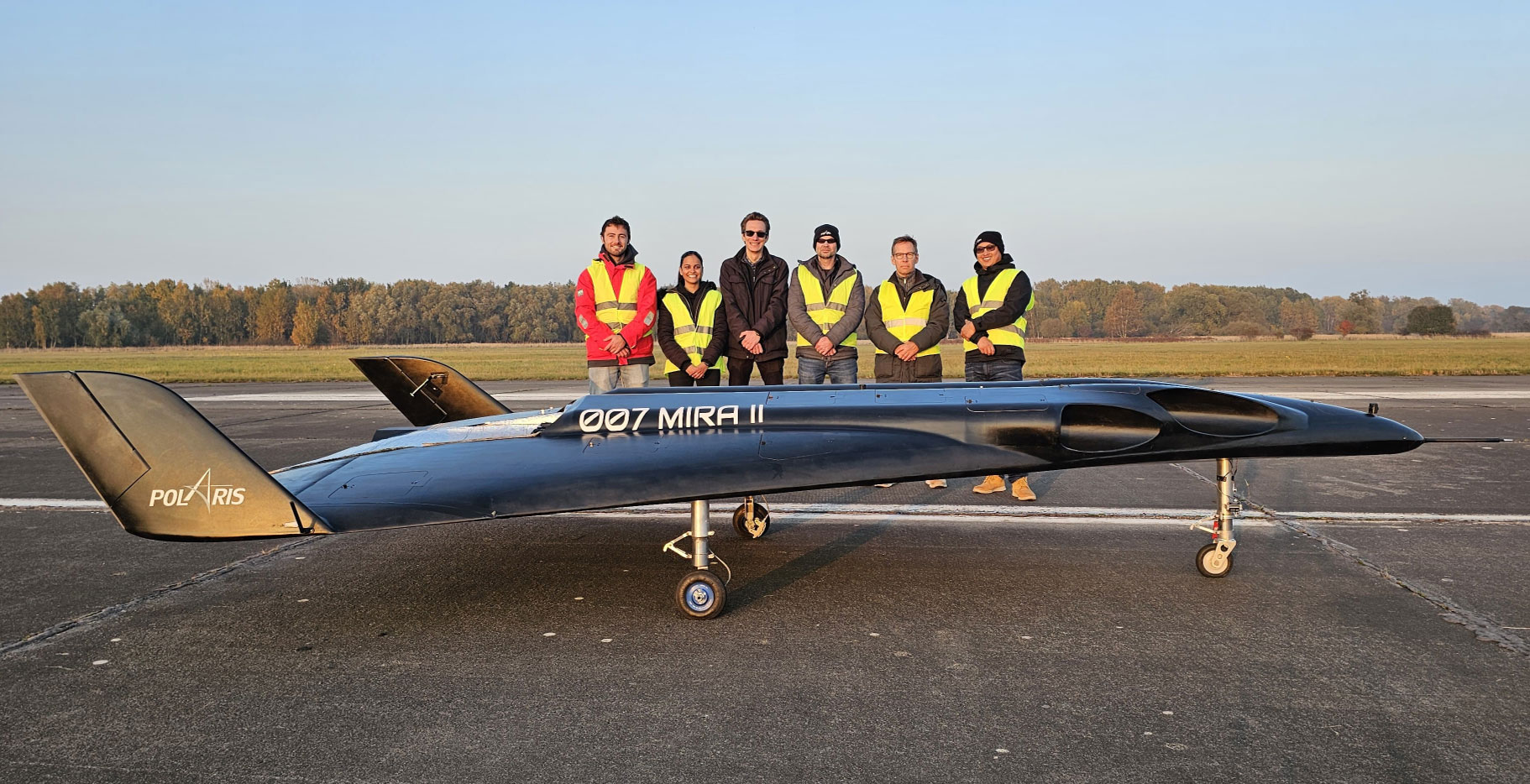
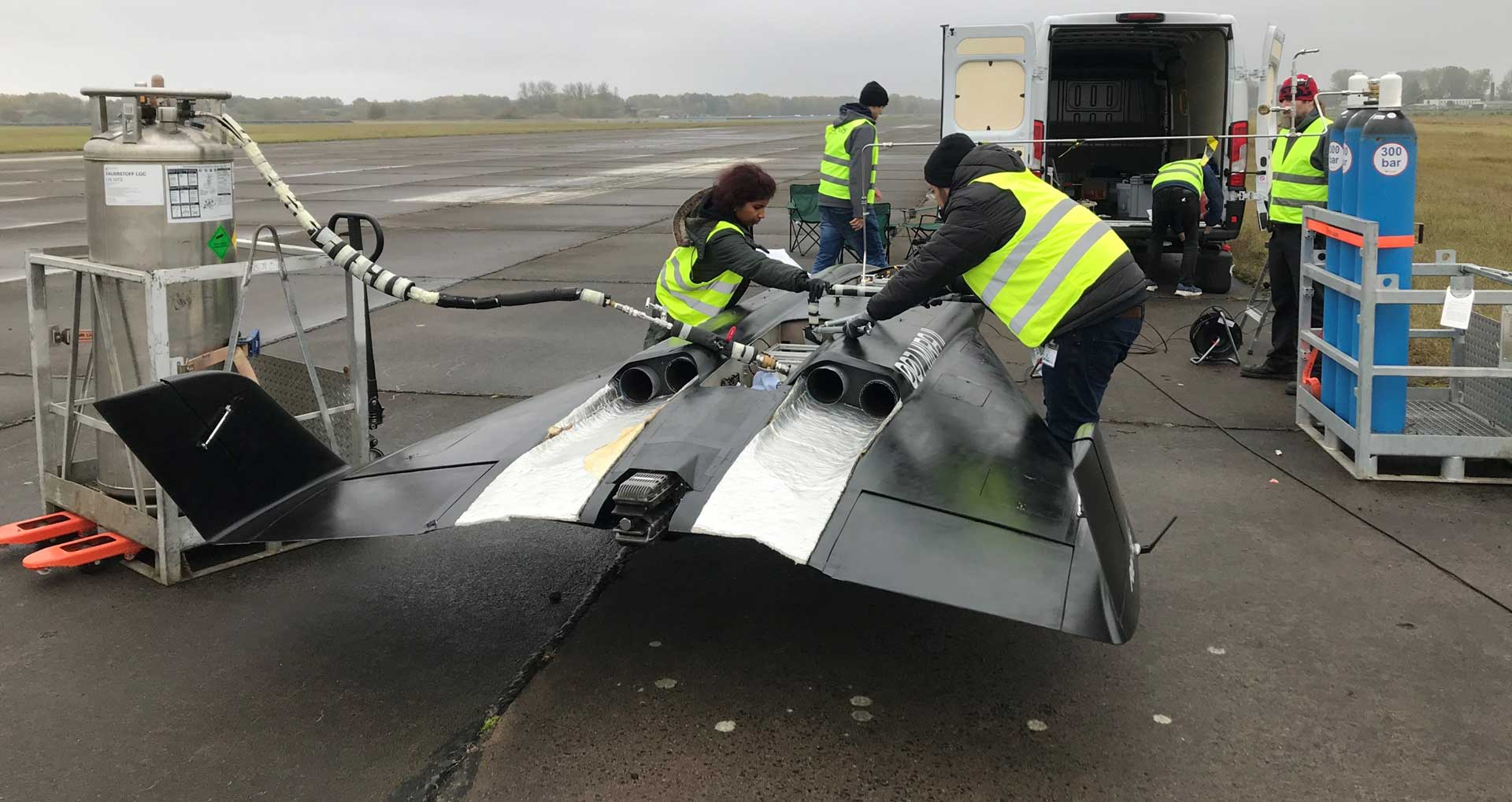
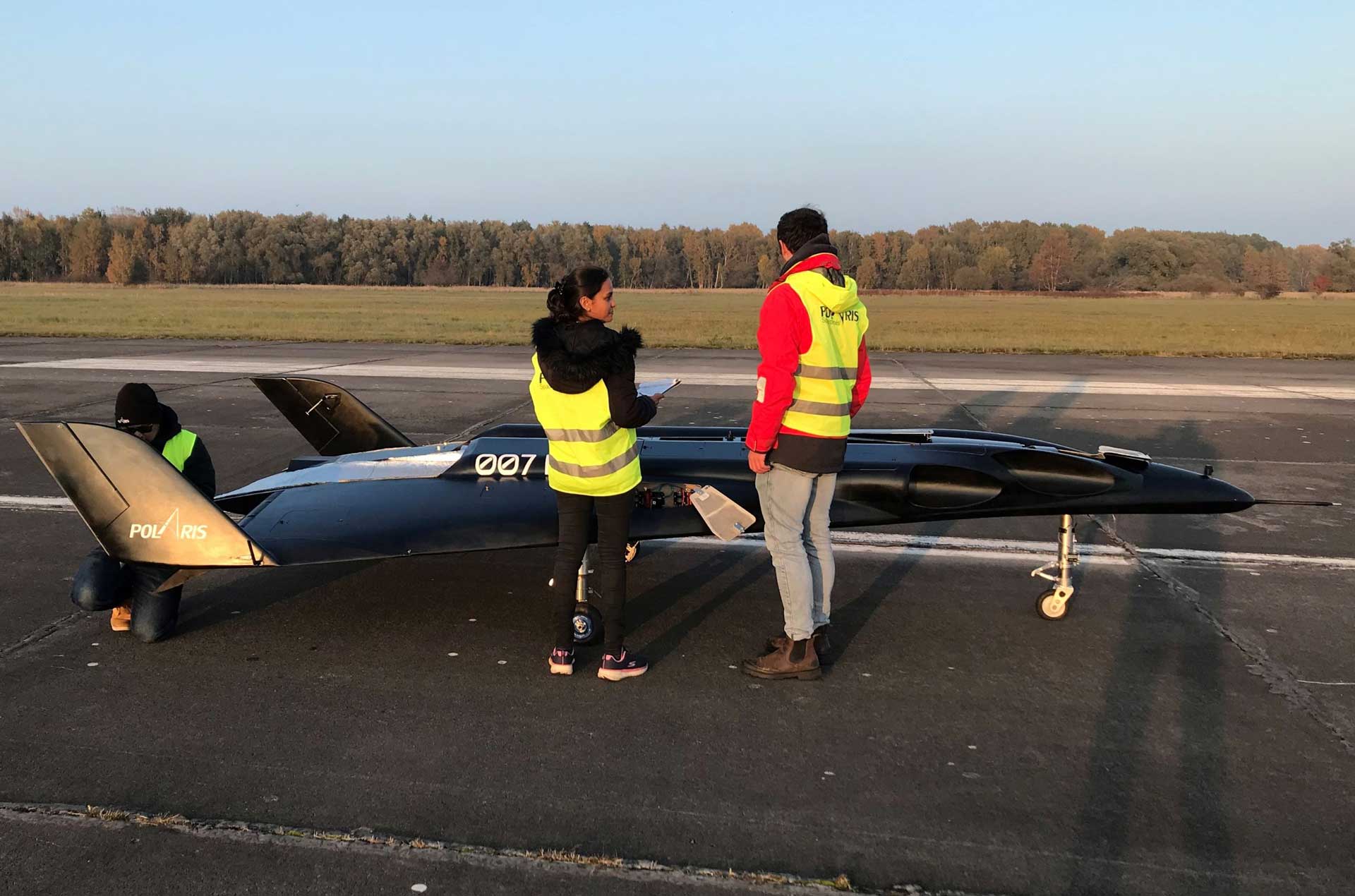
MIRA II is the world's first aerospike rocket plane. On October 29th, 2024, MIRA II wrote aerospace history with the first ever in-flight ignition of a linear aerospike rocket engine, conducted under Bundeswehr/BAAINBw contract. MIRA II is BVLOS-capable, features a length of 5 m and a design take-off mass of 240 kg. The airframe is based on a glass-fiber-sandwich architecture. The vehicle is equipped with 4 turbojets and our 1 kN linear aerospike rocket engine AS-1F. Kerosene and liquid oxygen (LOX) are used as propellants. For safety reasons, the vehicle is equipped with a redundant FTS.MIRA II has a sister aircraft (MIRA III), which is currently in assembly.
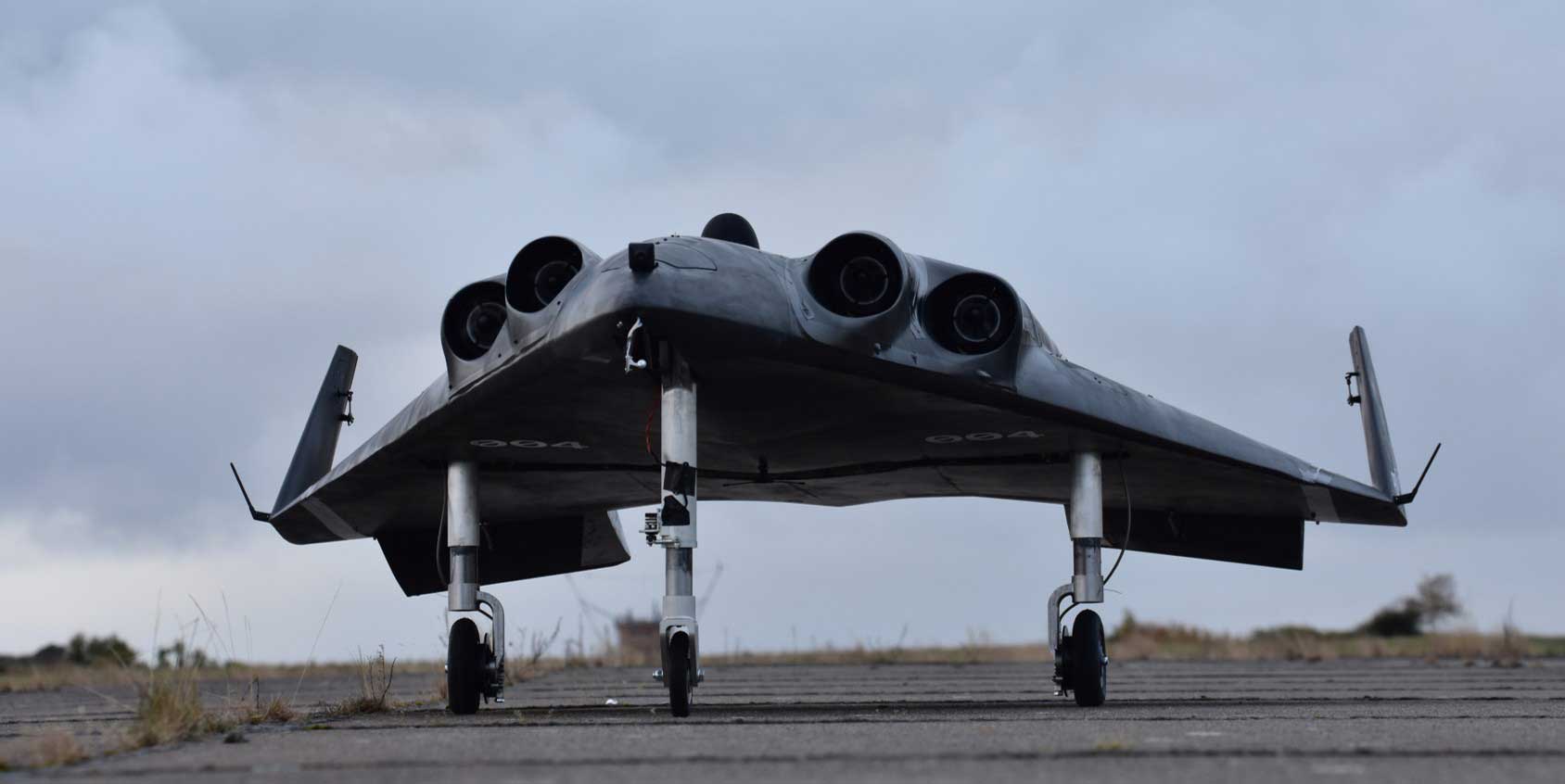
ATHENA was our first BVLOS-capable aircraft requiring a dedicated operation license. Designed and built under Bundeswehr/BAAINBw contract, the vehicle features a take-off mass of 120 kg with a length of 3.5 m. Similar to the MIRAs, ATHENA uses a glass-fiber-sandwich structure and is equipped with a redundant FTS. The vehicle is propelled by 4 jet turbines.
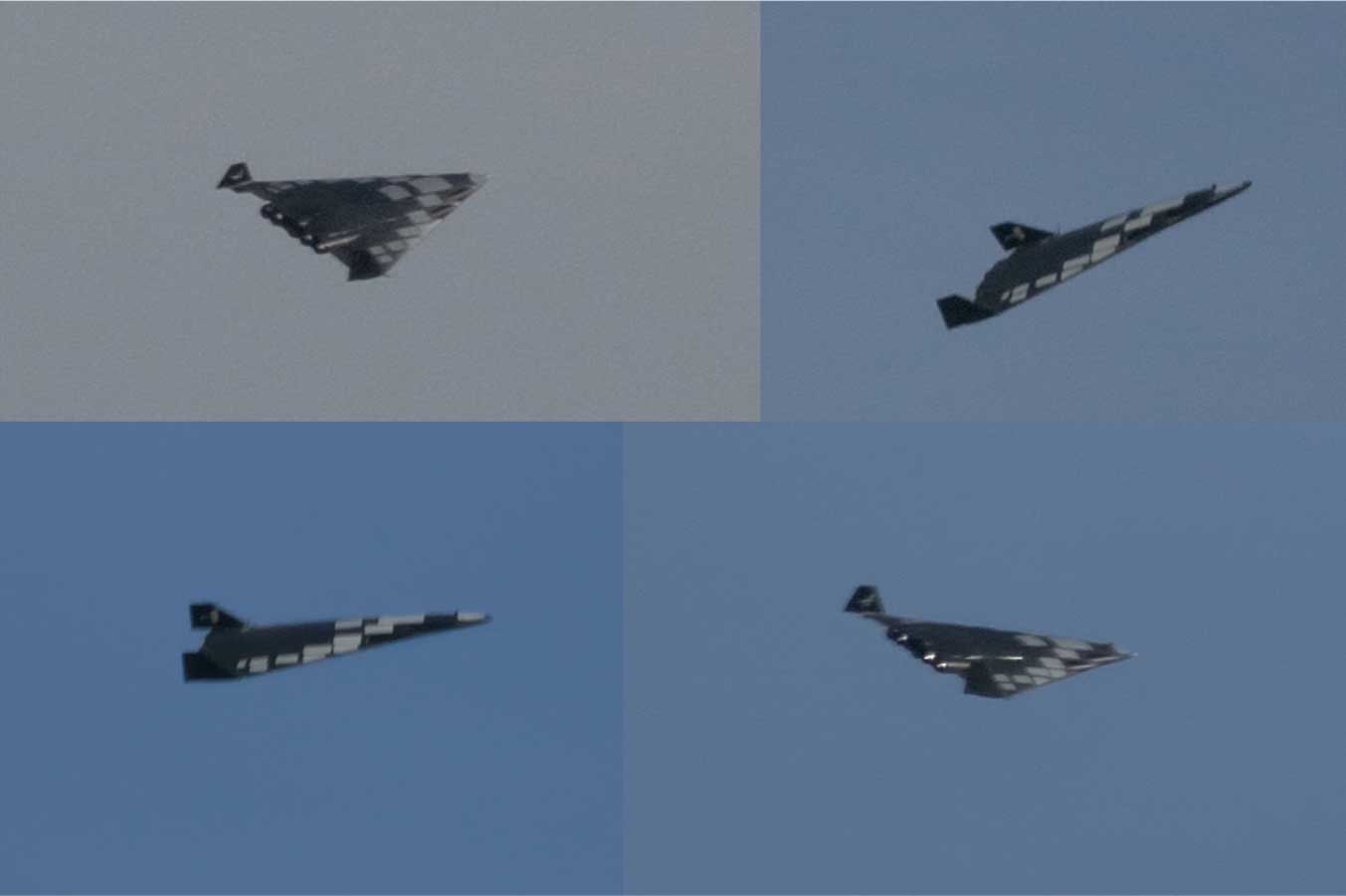
ALEDA is a light-weight support aircraft equipped with 4 electric ducted fans (EDF). The 3.5 m long vehicle uses a simple, glass-fiber overwrapped architecture and is BVLOS capable. The vehicle is mainly used for testing flight controller and sensors. Currently, ALEDA is also used for simulating the "receiver" aircraft in automated aerial refueling formation flight experiments.
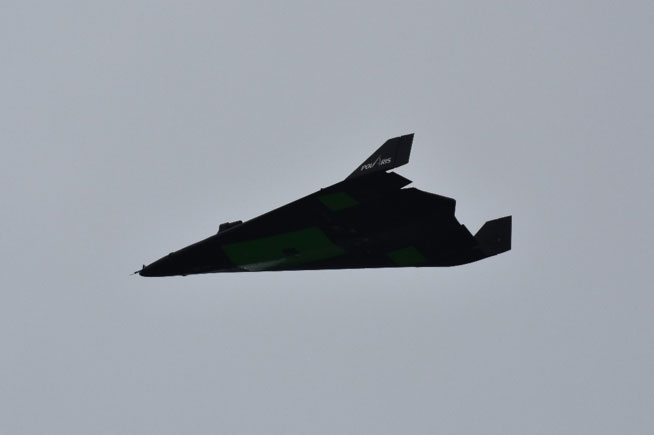
The 2.5 m long support vehicle "Mini MIRA" is a scaled-down version of the larger aircraft MIRA (I). The main purpose of "Mini" was to evaluate the flight characteristics of the MIRA configuration and to tune the flight controller for its larger sister.Mini MIRA was built in just a few weeks. The vehicle is our only active vehicle that is not BVLOS-capable and does not need a dedicated operation license.Today, Mini MIRA is mainly used as back-up and training aircraft.
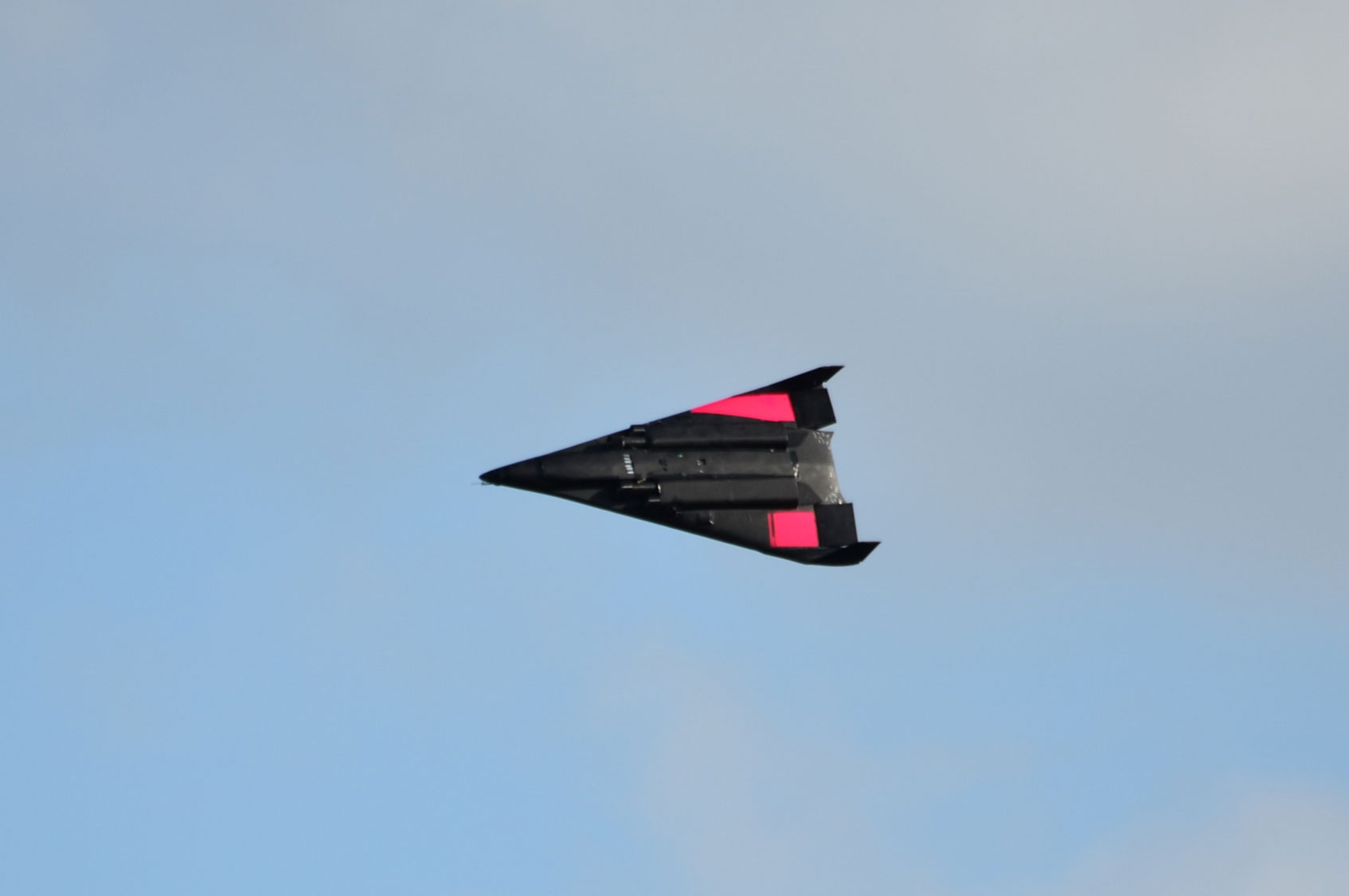
MIRA III was built together with its twin MIRA II. While MIRA II is already flying, MIRA III is currently in assembly. The main reason of building two airframes simultaneously was to speed-up flight testing, and to have MIRA III as reserve airframe.
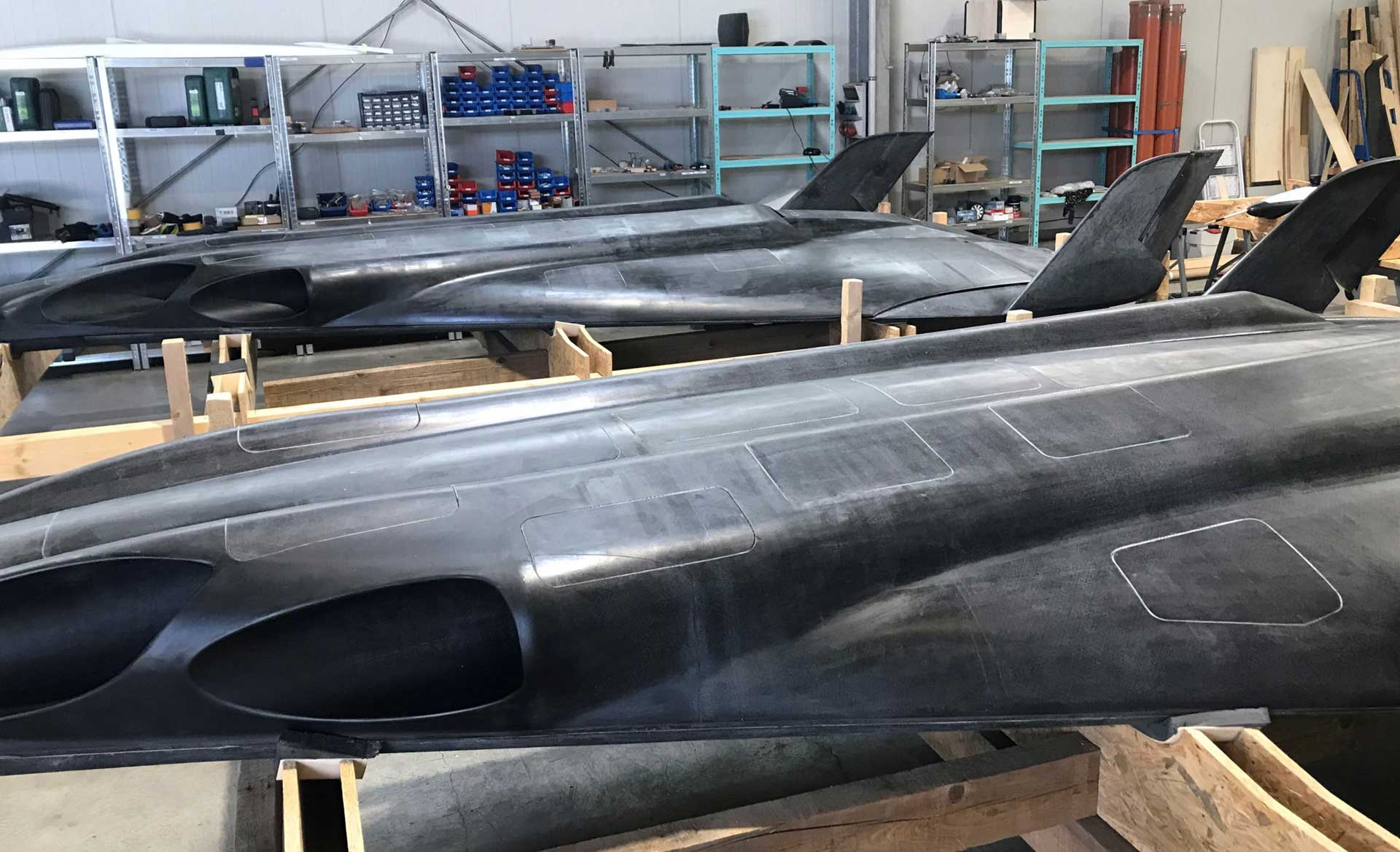
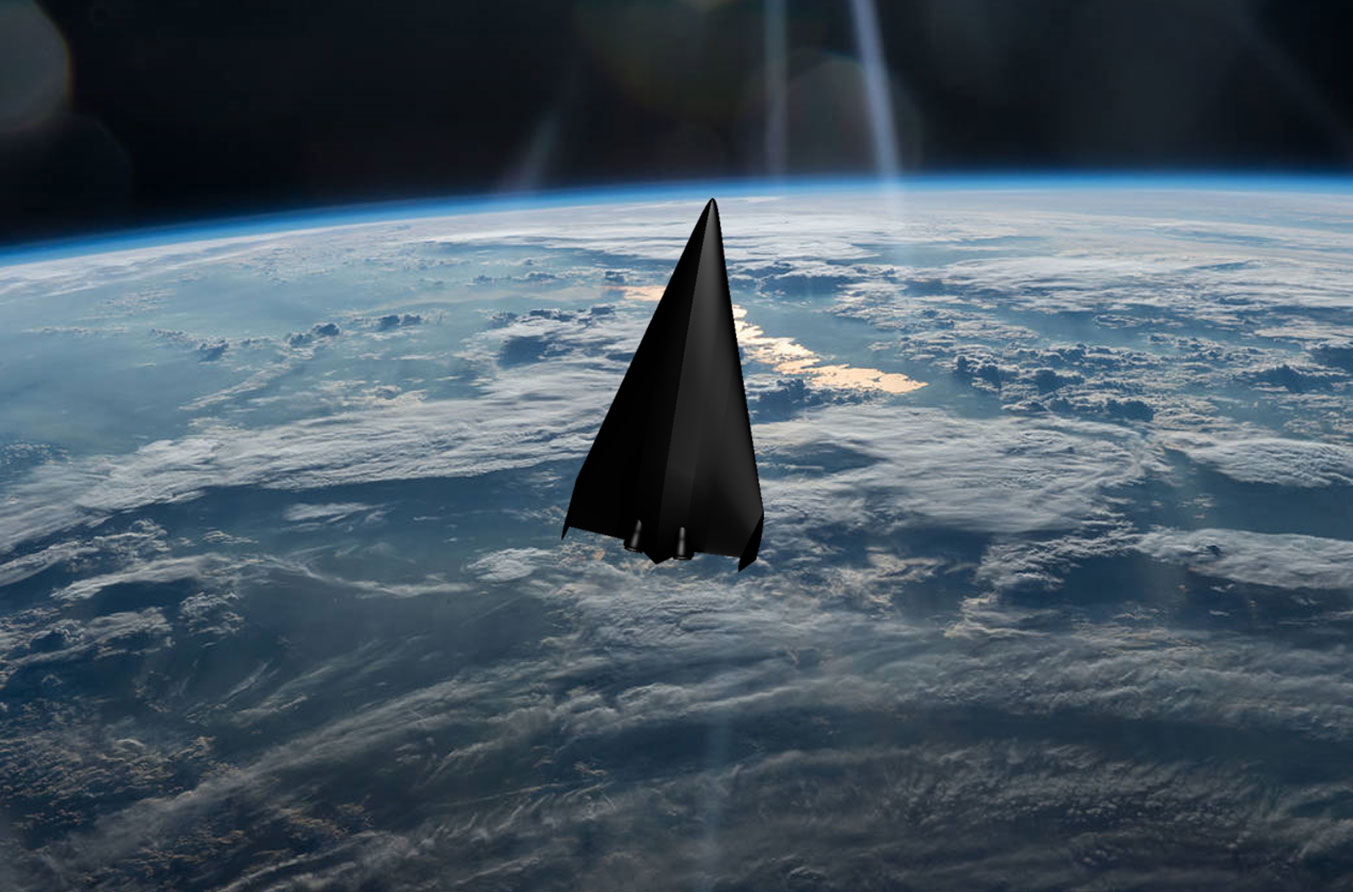
NOVA is our final spaceplane demonstrator before switching to operational vehicles. The main purpose is the demonstration of safe and repeatable rocket-powered supersonic flight capability at high altitudes, while fulfilling the full regulatory framework required for airport-based operation. The first flight is planned for 2026.In contrast to previous vehicles, NOVA is not only a pure technology demonstrator anymore. Instead, a small-scale serial production is considered for commercial customers.
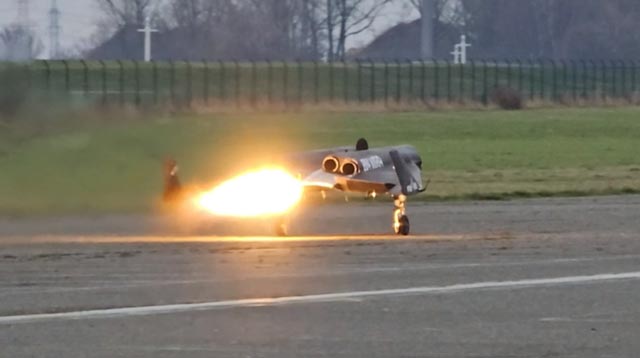
MIRA was our first aircraft equipped with a linear aerospike rocket engine using a LOX/kerosene propellant combination. This is complemented by 4 jet turbines for take-off, landing and cuise flight. MIRA successfully conducted its first flight under turbine power in late 2023. In January 2024, MIRA conducted the first aerospike ignition during a roll test.However, in February 2024 the vehicle was damaged during a runway accident. We decided to not repair the airframe anymore, and instead directly switching to the larger MIRA II/III aircraft.MIRA (I) features a length of 4.3 m and a design take-off mass of 210 kg.
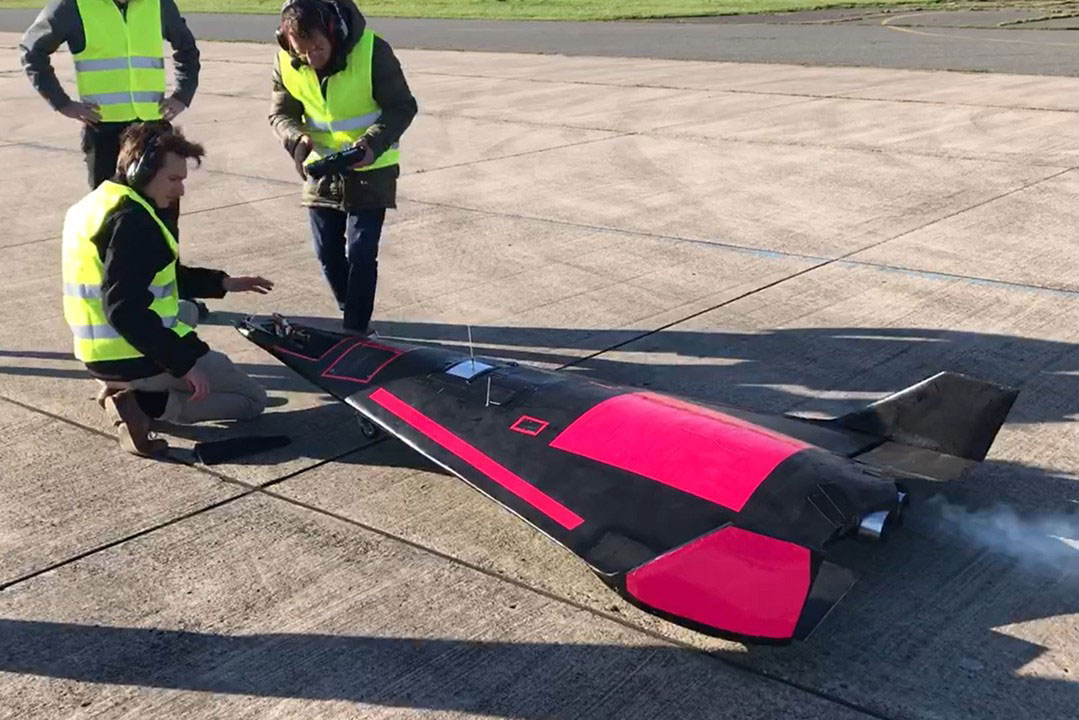
Simple in design, the first demonstrator STELLA was used for initial validation of aerodynamic characteristics and controllability of the spaceplane configuration. The 2.5 m long vehicle is not in service anymore.
Copyright © 2026 POLARIS Raumflugzeuge GmbH. All rights reserved.